

Nigeria Confirms First Ebola Case in 12 Years as Abuja Patient Shows Signs of Recovery
Nigeria has confirmed its first Ebola case in more than a decade — an imported infection linked to travel from Uganda. Health authorities have identified 44 contacts, the patient is showing signs of recovery, and officials say there is no evidence of community transmission so far.
By Celebrity Gist & Fame Desk · Published · 2 min read
Contributors: Friday Adewale

Comments
Related stories

Exclusive
INSIDE ANIOMA MARRIAGE TRADITION: The Meaning Of Family Rites, Marital Vows, and The Controversy Over Blood Oaths
Celebrity Gist&Fame
Celebrity Gist & Fame Desk · 16 Oct 2026 · 10 min read
Exclusive
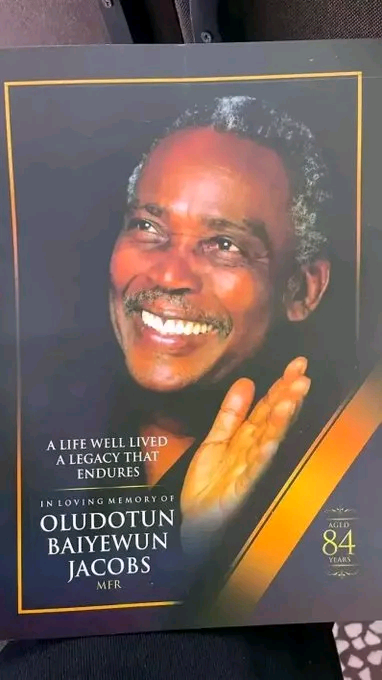
The Lion Of Lufodo: The Life, Legacy, and Final Bow Of Olu Jacobs
Celebrity Gist
info · 2 Oct 2026 · 4 min read

Finance
From Elon Musk’s SpaceX Share Pledge to Dangote’s Nigerian Initiative: Can Billionaire Wealth Empower Millions?
Elon Musk’s proposed $10.5 billion SpaceX share giveaway to American children and Aliko Dangote’s refinery-share initiative for Nigerian women highlight a growing conversation about financial inclusion, corporate ownership and wealth creation. But can distributing shares help millions build lasting financial security?
celebgist · 25 Oct 2026 · 8 min read
Gist
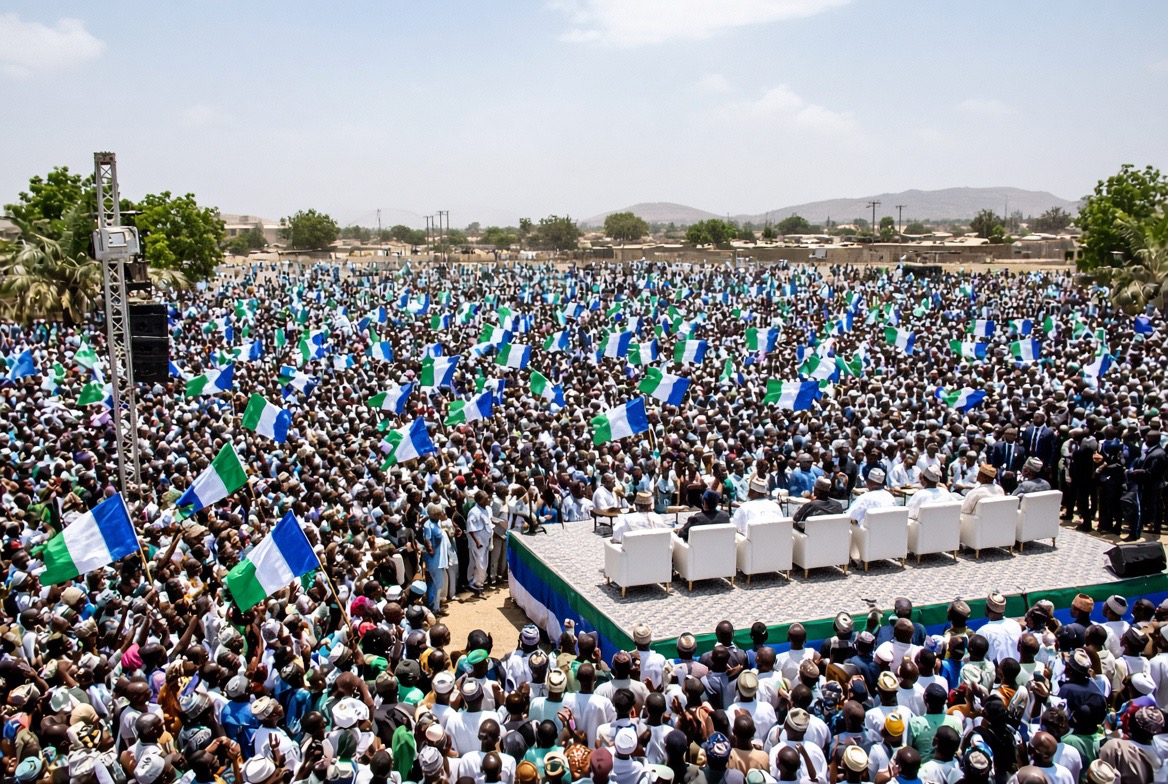
Tinubu and APC Leaders Launch 2027 Campaign in Kaduna as Opposition Questions Rally Costs
President Bola Tinubu, Vice President Kashim Shettima, and senior APC figures converged on Kaduna on October 24, 2026, for the formal flag-off of the ruling party’s 2027 presidential campaign. The event has drawn large crowds of supporters while the opposition has challenged claims about state spending and organisation.
Celebrity Gist & Fame Desk · 24 Oct 2026 · 3 min read
Nigerian Entertainment News
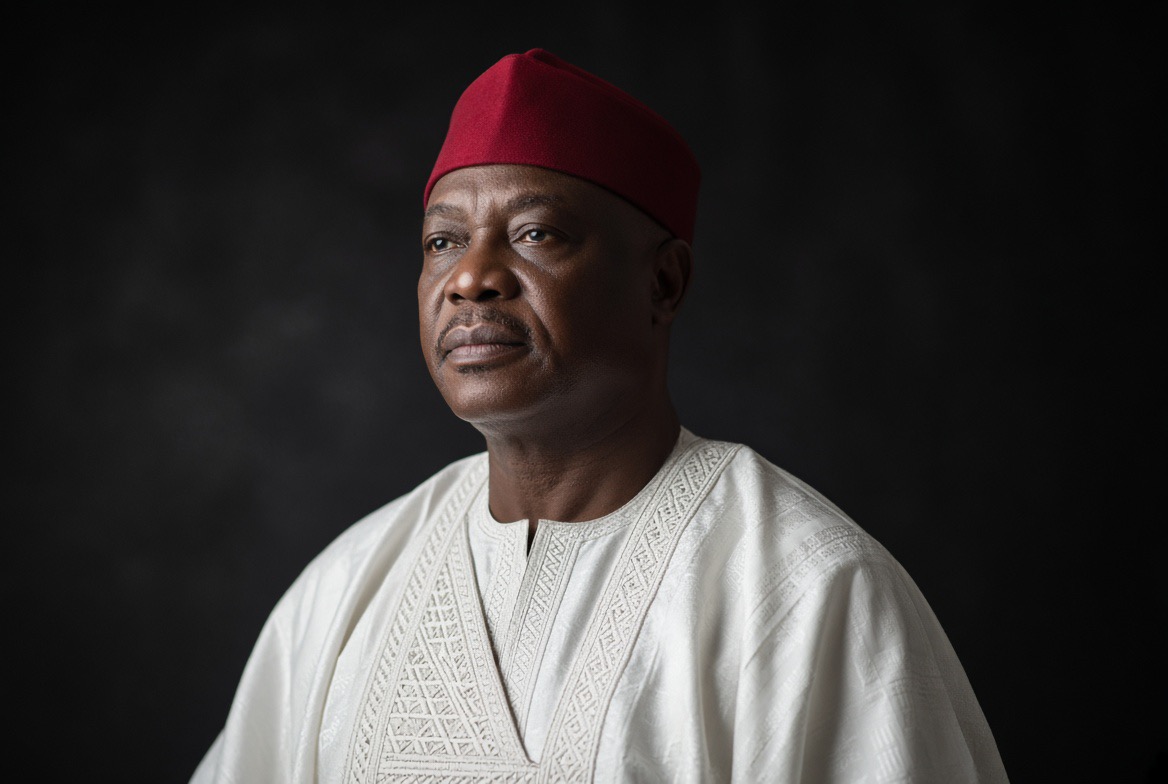
Nollywood Mourns Francis Duru: Veteran Actor Dies at 57 After Brief Illness
Veteran Nigerian actor Francis Duru, best known for his role as Ahanna in the 1995 classic Rattlesnake, has died at the age of 57. Colleagues including Kanayo O. Kanayo, the Actors Guild of Nigeria, and fans across Africa have paid tribute to a performer whose career spanned more than three decades.
DINNERO · 24 Oct 2026 · 3 min read

Tech
GTA 6 Launch Trailer Continues to Dominate YouTube as November 19 Release Approaches
Rockstar Games’ official Grand Theft Auto VI launch trailer continues to trend across more than 70 countries on YouTube, drawing tens of millions of views with new footage of protagonists Jason and Lucia ahead of the November 19, 2026 PlayStation 5 and Xbox Series X|S launch.
celebgist · 24 Oct 2026 · 2 min read