
Music Collaboration Types and Revenue Splits: How Publishing and Master Royalties Are Divided
There is no fixed industry formula for music collaboration splits. Publishing (the song) and master (the recording) royalties are negotiated separately, with equal splits common for co-writes, 50/50 or contribution-based shares for producers, and points or percentages for featured artists—always documented in writing before release.
By DINNERO · Published · 2 min read
Contributors: Friday Adewale

Comments
Related stories
Celebrity Gist
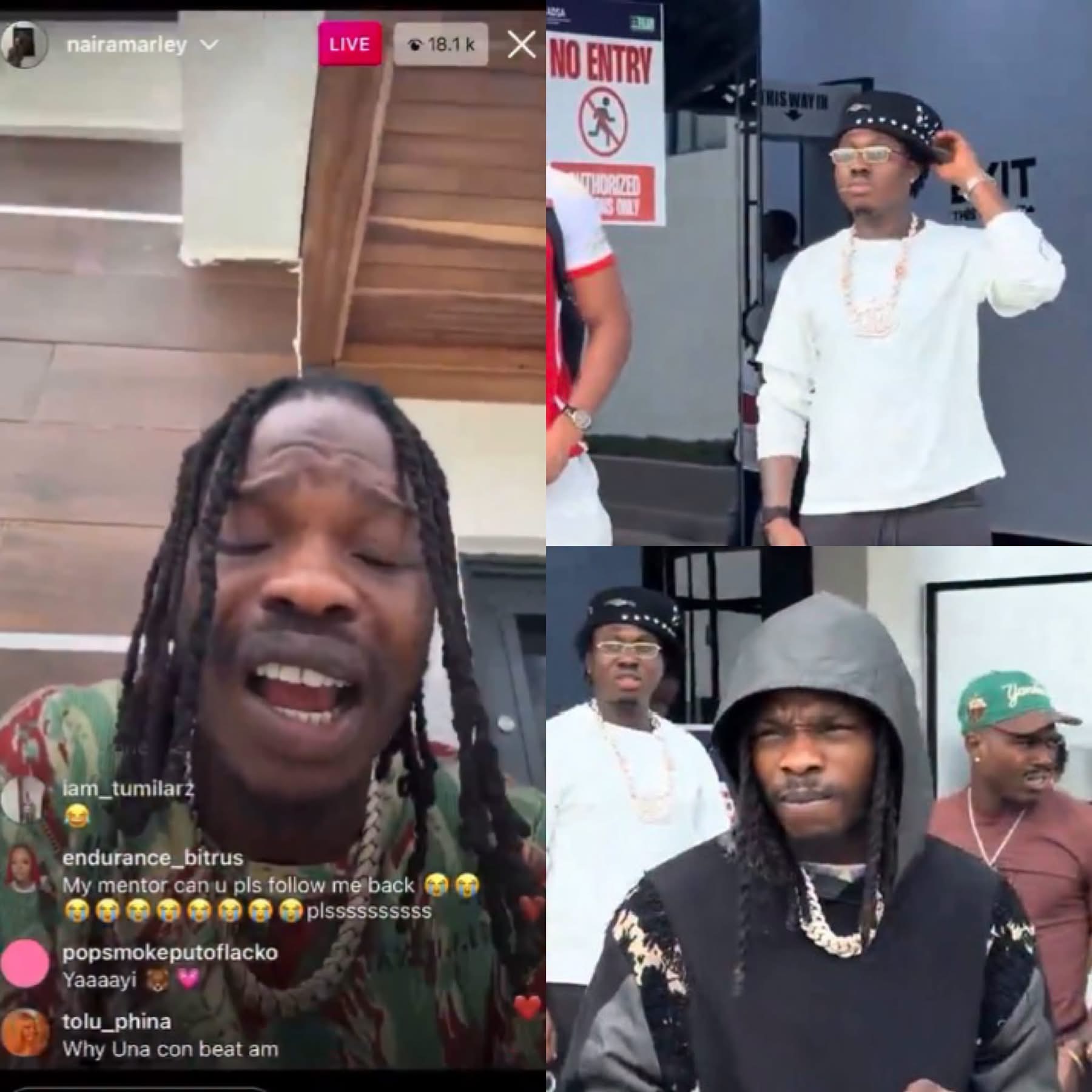
Naira Marley clears the air over his viral video with Zlatan, urging bloggers to stop spreading false information.
Naira Marley clears the air over his viral video with Zlatan, urging bloggers to stop spreading false information.
celebgist · 3 Oct 2026 · 1 min read
Celebrity Gist
Trending now
celebgist · 2 Oct 2026 · 1 min read

Celebrity Gist
"The Money Was For The Artistes" Peter Okoye Testifies On $800,000 SACEM Royalties In Ongoing Legal Battle
Celebrity gist
info · 25 Sept 2026 · 2 min read

Celebrity Gist
Be Honest.... Between This Two Big Bosses Which of them do you think his children is doing more well in the music industry Today?? (A) YBNL Nations _ Olamide (B) Mavin Records _ don jazz
celebgist · 25 Sept 2026 · 1 min read
Exclusive
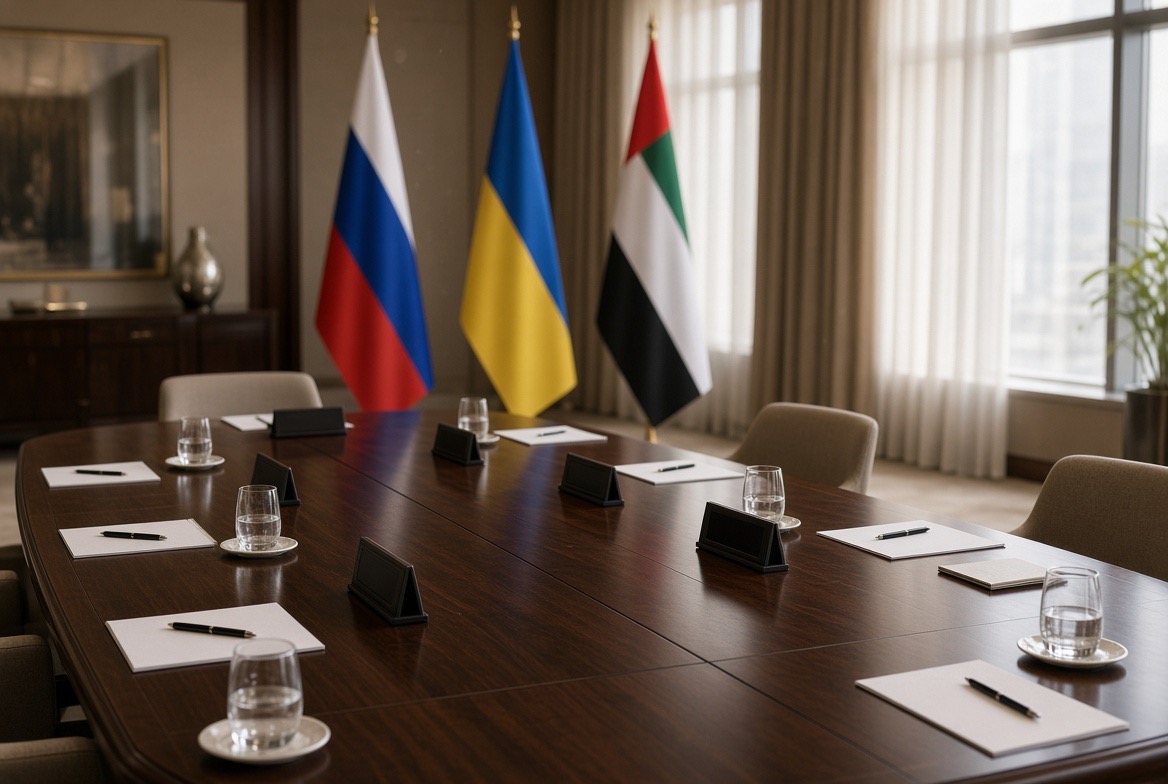
Top Global Stories November 11 2026: Ukraine Talks, Hegseth Impeachment Blocked, Iran War Status Quo, Kraków Shooting
On November 11, 2026, the world’s top stories center on renewed US-brokered Russia-Ukraine peace talks in Abu Dhabi, the House blocking impeachment of Defense Secretary Pete Hegseth over the Iran war, President Trump declaring the Iran conflict “militarily effectively over” amid lingering threats, and the aftermath of a deadly far-right-linked mass shooting in Kraków, Poland.
DINNERO · 11 Nov 2026 · 2 min read
Exclusive
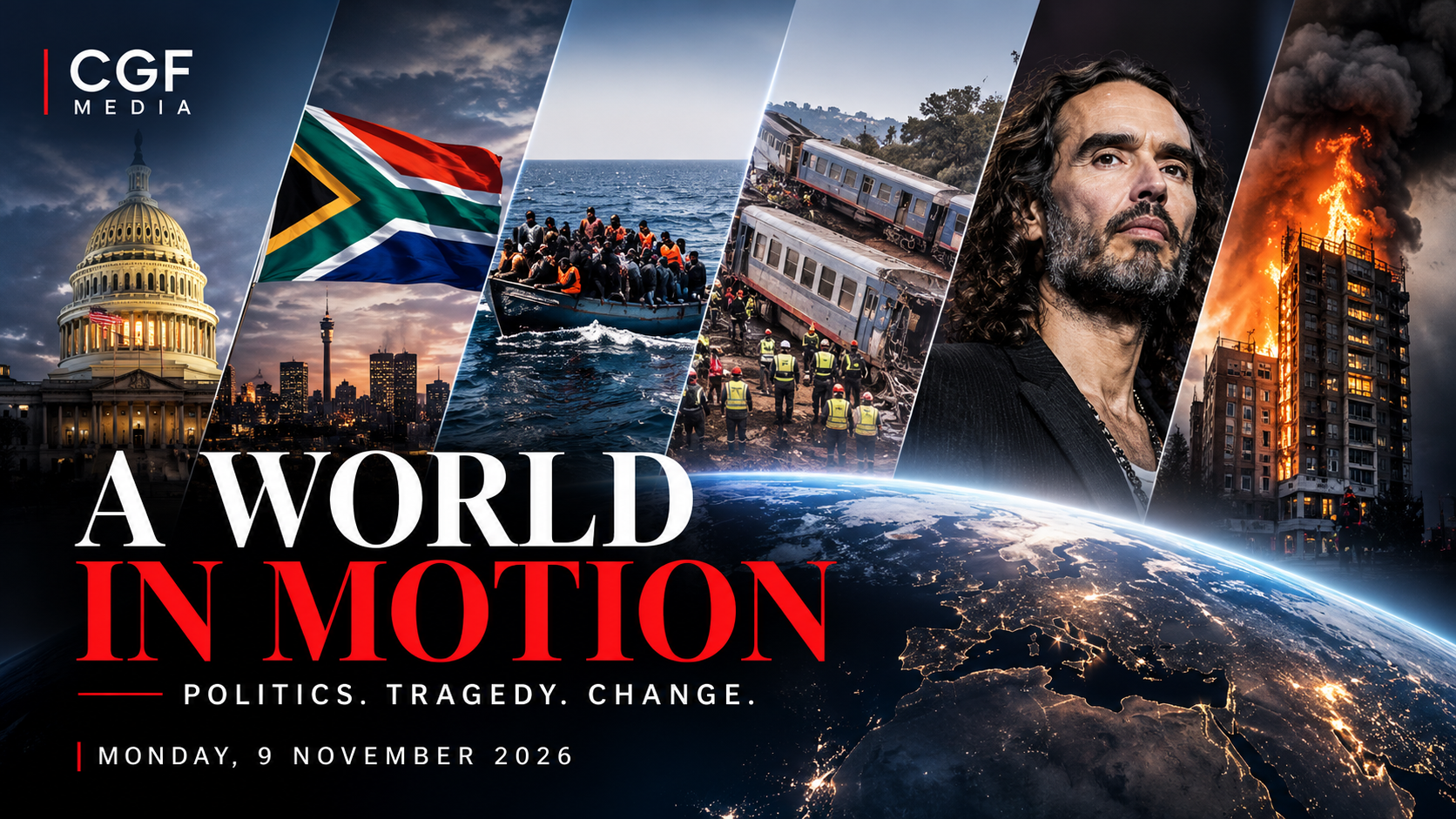
Morning Briefing: Midterm Reckoning in America, Historic ANC Decline in South Africa, and Fresh Crises Across Africa and China
As Monday dawns on 9 November 2026, the world digests a political earthquake in Washington, the ANC’s sharpest local-election fall in democratic South Africa, deadly migrant and rail disasters in West and North Africa, Russell Brand’s sentencing day in London, and a rising death toll from a Chinese high-rise fire.
DINNERO · 9 Nov 2026 · 6 min read